Se puso el sol
Brillaron las montañas
El gran Tlatoani entró en sus aposentos
No pudo descansar
Fue hasta las Salas
Negras de su palacio
destinadas
a los estudios mágicos
recinto
de la sabiduría de los padres
Miró el lago
jado bajo la noche
y la ciudad
llena de luces y canales
Y dijo el mensajero "Piden verte
señor
dos pescadores
Encontraron
un ave misteriosa
Es su deseo
que no la mire sino Moctezuma"
Llegaron los dos hombres
con el ave en la red
El Gran Tlatoani
observó que en lugar de la cabeza
tenía un espejo
En él vio reflejadas
"casas sobre la mar
y unos venados
cubiertos de metal
grandes sin cuernos"
"Vuelven los dioses"
dijo Moctezuma
"Las profecías se cumplen
No habrá oro
capaz de refrenarlos
Del azteca
quedará sólo el llanto
y la memoria"
The sun set
The mountains glistened
The Great Tlatoani entered his lodgings
He was unable to rest
He went to the Black
Halls of his palace
intended
for studies in magic
province
of the knowledge of the elders
He saw the lake
like jade below the night
and the city
full of lights and canals
And the messenger said
"They beg to see you
sir
two fishermen
they found
a mysterious bird
It is their wish
that no one see it except Moctezuma"
The two men arrived
with the bird in a net
The Great Tlatoani
noted that in place of a head
it had a mirror
In it he saw reflected
"houses over the sea
and some large deer
without horns
and covered in metal"
"The gods return"
said Moctezuma
"Prophecies are fulfilled
There will not be gold
enough to restrain them
All that will remain of the Aztec
is the weeping
and the memory"
Translated by Thomas Hoeksema
<< Next >>
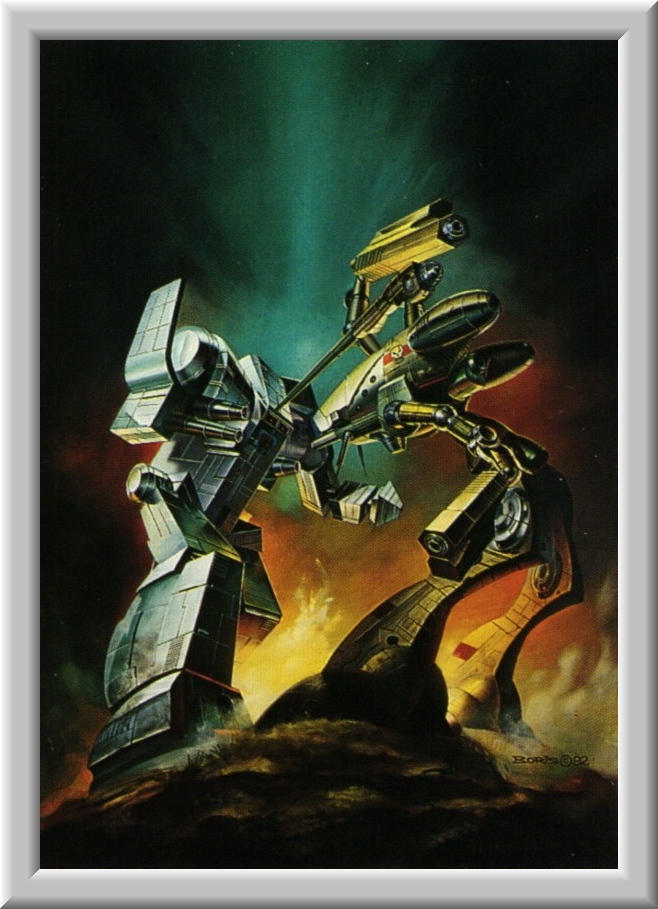
Pintura : Boris Vallejo
La traducción al ruso :
Хосе Эмилио Пачеко. Знамение
День угасал, зажглись вершины скал,
но сна не знал Великий Тлатоани.
В своём дворце он отыскал тот зал,
что был священным местом волхвований,
где мгла премудрость предков охраняла.
Нефритовое озеро
в ночи ему предстало,
и город с россыпью огней,
и в темноте мерцавшие каналы.
И молвил вестник: "Во дворец явились
два рыбака. Сеньор, они поймали
диковинную птицу и желают,
чтобы её узрел лишь Моктесума."
Вошли пришельцы
с птицею в силках,
и Тлатоани
увидел птицу. Вместо головы
сверкало зеркало, а в отраженье
"Дома на берегу, стада оленей
безрогих, но с телами из металла."
"Вернулись Боги", - молвил Моктесума.
"Пророчества сбылись. Сокровищ наших
не хватит, чтоб умилостивить их.
Ацтеки
оставят по себе лишь плач и память"
Опубликовано ранее: Литературный альманах "Латинская Америка", выпуск 5 (Москва, "Художественная литература", 1987)
Traducido al ruso por: Natalia Perelyaeva
Compartir en:
mir-es.com
Enviar
Para poder introducir tu opinión, debes rellenar obligatoriamente los campos señalados como *